If you’ve left a nail polish bottle in a cold car, had a lacquer shipped in winter, or simply stored it in a drafty spot, you may have noticed the formula looking thicker or slower to flow. Can nail polish actually freeze, and if it does, is it ruined?
In this article, we will look at what cold temperatures really do to polish. You’ll see how the formula reacts, what freezing means for texture and color, and what risks come from leaving bottles in very low temperatures. I’ll also share how to bring chilled polish back to normal and how to store it so it lasts longer.
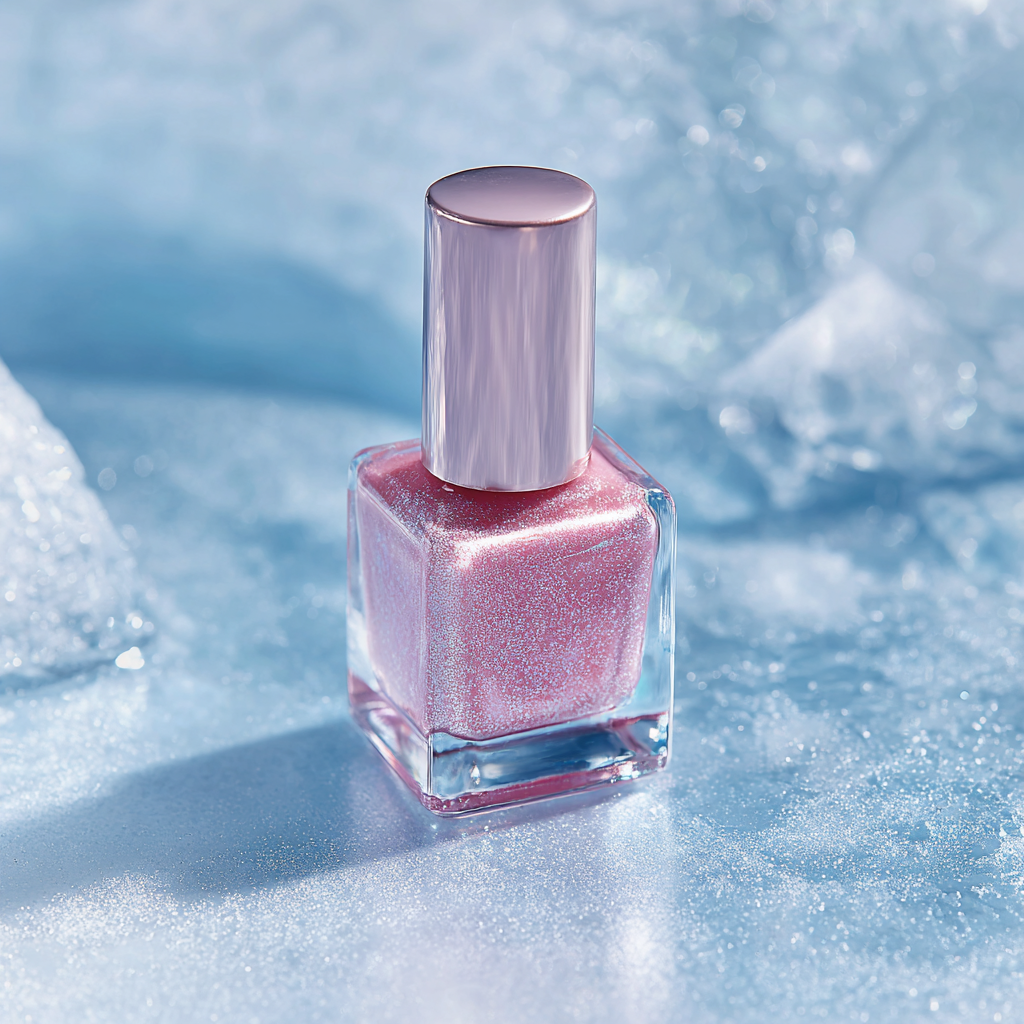
Can Nail Polish Actually Freeze?
Nail polish can stiffen up in the cold, but that doesn’t mean the bottle is a lost cause.
In many cases, polish that has been exposed to low temperatures looks cloudy or thick at first, then goes back to normal once it has warmed to room temperature.
Freezing on its own doesn’t usually harm the formula.
The bigger issue is what happens if you rush the process.
Shaking or opening a chilled bottle can keep the texture uneven, making it harder to apply.
Giving the polish time to warm naturally is often enough to bring it back to its usual flow.
The one real risk comes from extreme cold.
If a bottle is left for too long in subzero conditions, like in a snowbank or the trunk of a car, the glass itself can crack.
That’s less about the polish and more about the container under pressure.
The key point is this: nail polish can freeze, but it often remains usable.
Let the bottle thaw at its own pace before you test it.
Even if it looks strange at first, the formula usually settles back into shape once it reaches room temperature.
What Makes Cold Risky for Polishes
Cold itself usually doesn’t ruin nail polish.
The real risk comes from rapid temperature changes.
A bottle that goes from freezing to warm too quickly can crack the glass.
The formula inside may separate or thicken unevenly, leaving streaks or lumps that make application tricky.
Some types of polish are more sensitive.
Thermal polishes, the ones that change color with temperature, can get stuck if they spend too long in extreme cold.
The color shifts may slow down or stop completely until the polish warms gradually.
Tip: thaw thermal polishes slowly to keep their color magic.
Let the bottle sit upright at room temperature until it returns to a smooth consistency.
Avoid shaking it while it’s cold. This will keep the polish usable and can preserve the effect that makes it special.
Even standard polishes benefit from the same care.
Slow warming protects both the glass and the formula.
Handling bottles carefully after cold exposure reduces the chance of uneven polish and keeps your collection in good condition.
Best Storage Practices
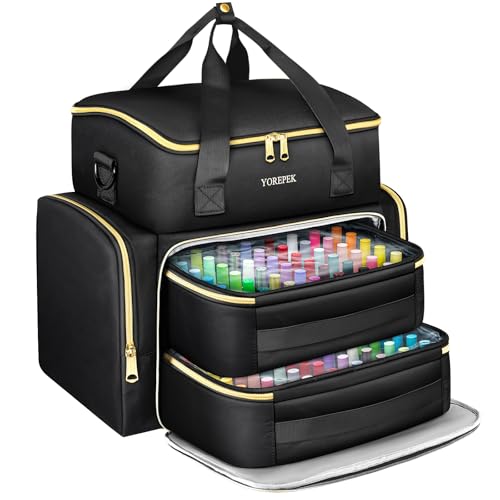
Keeping your nail polish in good shape is mostly about steady conditions and gentle handling.
Small changes can affect texture, color, and performance.
Use these tips to store your bottles safely:
- Keep it at room temperature
Polish likes 20–23 °C. Temperatures below 18 °C slow drying and can thicken the formula. - Avoid extreme cold or heat
Do not store polish in freezers, cars, direct sunlight, or near heaters. Large temperature swings can change consistency and may crack glass. - Choose a cool, dark spot
Skip the bathroom or sunny windowsill. Light and humidity can alter polish over time. A drawer, cabinet, or shelf works best. - Keep bottles upright and sealed
Air, humidity, and tilt affect polish thickness and smoothness. Always close the cap tightly after use. - Let cold bottles warm naturally
If a bottle has been chilled, leave it at room temperature before shaking or opening. This prevents lumps and uneven flow. - Fix thick polish carefully
Add a drop of acetone or nail polish thinner if needed. Roll the bottle gently to mix. Avoid shaking while cold, which can create bubbles or streaks. - Track age
Label bottles with the purchase date. Older polish may lose flow or color intensity. Knowing the age helps you decide when to replace it.
What to Do If Your Nail Polish Froze
If your nail polish has been exposed to cold, handle it carefully to bring it back to normal. Follow these steps:
- Bring it indoors
Do not heat the bottle or use a microwave. Sudden heat can damage the polish and the glass. - Let it sit upright
Leave the bottle at room temperature until it reaches a steady, smooth consistency. Avoid shaking while it’s still cold. - Check the consistency
Pour a small amount or swirl gently. Look for cloudiness or lumps. The polish should flow evenly when ready. - Test with a swatch
Apply a tiny bit to a nail or a piece of paper to see the color and finish. Do not commit to a full manicure until it behaves normally.

- Thin if needed
If the polish is still thick or gloppy, add a drop of nail polish thinner or acetone. Roll the bottle gently to mix. Avoid shaking vigorously, which can introduce bubbles.
These steps give the formula time to recover without risking uneven color, streaks, or texture problems.
You’ll be able to preserve both the polish and the glass.
After thawing, your bottle should be ready for regular use again.
This process works for standard and specialty polishes alike.
So to wrap up, nail polish can freeze, but the formula usually survives. The real risks come from sudden temperature changes, cracked bottles, uneven texture, or thermal polishes that stop shifting colors. Cold alone rarely ruins the polish, but handling matters.
Stable storage makes a big difference. Keep bottles at room temperature, sealed tightly, and out of direct sunlight or extreme cold. Let chilled bottles warm naturally before opening or using them. Rolling the bottle gently after thawing helps restore smooth consistency.
Your polish is tougher than you might think. Treat it gently, and it’ll look good when you’re ready for your next mani.