COSRX snail mucin cream is one of the most talked-about K-beauty moisturizers, and people often ask if it’s truly non-comedogenic. The cream has a cult following because of its high snail mucin content, but at the same time, some hesitate to try it out of fear it might cause breakouts. So the question makes sense: will it clog pores or not?
This article will sort that out in plain language. You’ll see what “non-comedogenic” actually means, what snail mucin is, and how this cream is built. We’ll look at its texture, how different skin types might respond, and why it could feel light for some but heavy for others. You’ll also get practical steps to test it safely on your own skin. By the end, you’ll have a clear picture to decide if COSRX snail mucin cream feels like a fit for you.
What “Non-Comedogenic” Really Means
The term applicable to COSRX Snail Mucin Cream — non-comedogenic — sounds technical, but it’s simple.
A product with this label is designed to be less likely to block your pores.
Clogged pores can lead to bumps, whiteheads, or pimples, so people with acne-prone skin often look for this term on moisturizers, sunscreens, and makeup.
The tricky part is that the label isn’t strictly regulated.
Brands can call a product non-comedogenic without a universal test or proof.
That means it’s more of a guideline than a guarantee.
Just because a cream says non-comedogenic doesn’t mean it won’t cause breakouts for every person.
Skin reacts in different ways depending on its natural oil level, barrier health, and even the climate you live in.
What feels light and safe on one face might feel heavy on another.
Pore-clogging depends on two main things: the ingredients and how the formula is built.
Ingredients like heavy oils or waxes have a higher chance of sitting on the skin and trapping sebum.
Ingredients that are water-based or lighter tend to move through the skin surface without blocking pores.
Formulation matters too.
A gel-cream and a thick butter cream can contain the same ingredients but behave differently on your skin.
The texture, the way it spreads, and how quickly it absorbs all affect whether pores stay clear.
Even products labeled non-comedogenic can trigger breakouts in certain situations.
For example, if you apply too much cream at once or layer it with other heavy products, your pores can still feel congested.
Seasonal changes can also play a role.
Hot, humid days make skin oilier, which can increase the risk of blocked pores, while dry seasons may make the same product feel perfectly light.
Non-comedogenic is a helpful guide, but your own skin is the real test.
Paying attention to how your skin reacts and adjusting use is the best way to see if a product actually works without causing congestion.
Snail Mucin on Its Own
Snail mucin, also called snail secretion filtrate, sounds strange at first, but it’s really just a natural, water-based ingredient.
It’s lightweight and flows easily over the skin, so it doesn’t sit heavy or sticky.
Inside, it has proteins, glycoproteins, and other small molecules that help skin hold onto moisture.
Think of it as a tiny support system for your skin barrier, helping it stay hydrated and resilient without covering it with a thick layer.
The main job of snail mucin is hydration.
It pulls water into the skin and helps maintain the barrier that keeps moisture in.
It doesn’t act like an occlusive cream or heavy oil.
That means it won’t block pores simply by sitting on top of your skin.
This makes it a good option for people who are prone to breakouts.
It adds moisture without adding a layer that traps sebum or dirt, which can often lead to clogged pores.
Snail mucin is usually gentle, but it’s still a natural extract.
Every skin reacts differently, so a small patch test can help you see if your skin likes it.
Apply a little on your jawline or inner arm for a day or two before adding it to your full routine.
Most people don’t experience irritation, but a few may notice redness or bumps if their skin is sensitive.
Overall, snail mucin works quietly.
It hydrates, supports the skin barrier, and feels light on the skin.
It doesn’t use heavy oils or waxes that can block pores, so it fits well into a non-comedogenic approach.
Trying it slowly lets you see how your skin responds, making it easy to decide if it should be part of your daily routine.
Breaking Down the COSRX Snail Mucin Cream Formula

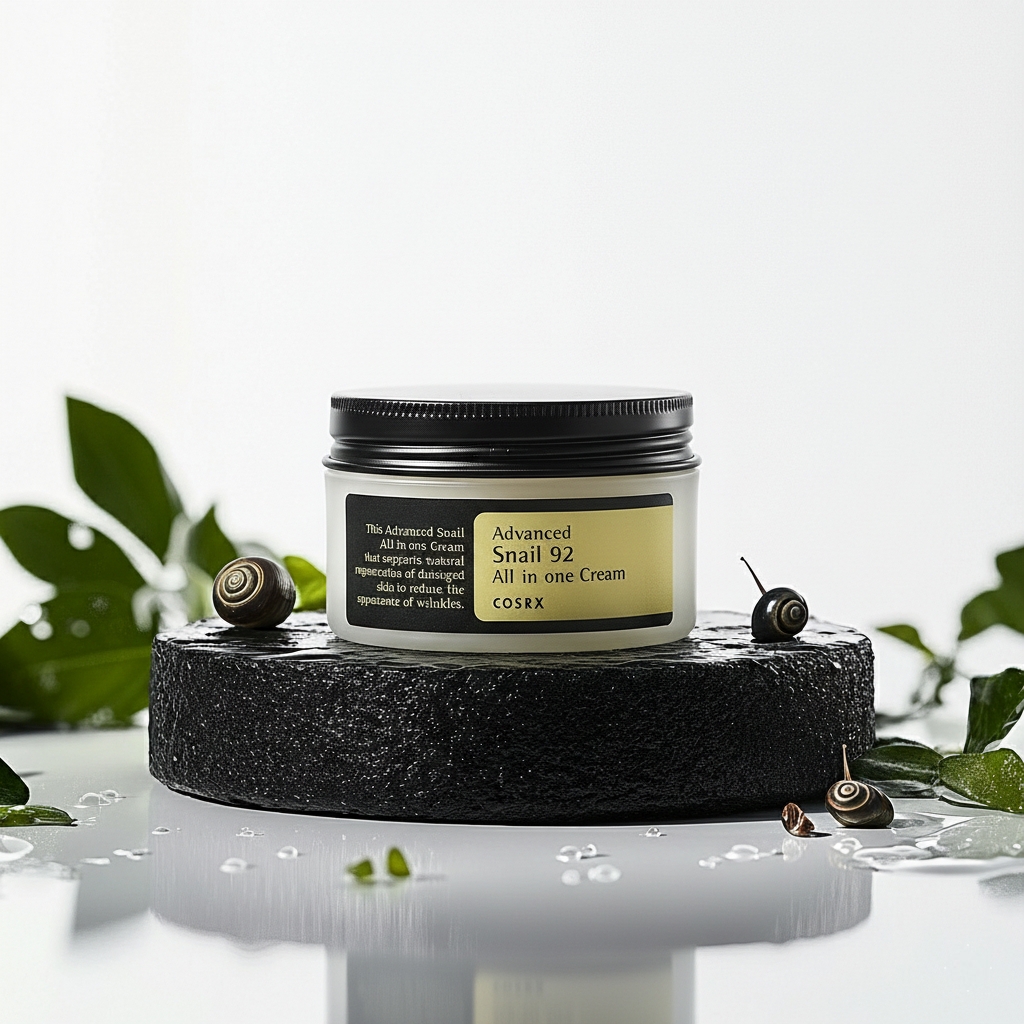
The main ingredient in COSRX Snail Mucin Cream is snail mucin.
It makes up about 92% of the formula.
That means most of what you’re applying is the same lightweight, water-based extract that hydrates and supports the skin barrier.
The cream builds on this base with a few other ingredients that help your skin stay balanced and calm.
Hyaluronic acid and betaine act as humectants.
They pull water into the skin, keeping it plump and soft.
Panthenol works to soothe irritation and support the skin’s natural repair process.
Adenosine supports the overall health of the skin, helping it feel smooth and resilient.
All of these ingredients are gentle and light.
None of them adds heavy oils or waxes that can sit on top of the skin and block pores.
The cream is free from mineral oil, petrolatum, and silicones.
These are common occlusive ingredients that can create a barrier over the skin.
COSRX chose not to include them, which helps keep the cream feeling light.
This matters for anyone with pores that get easily clogged or skin that tends to break out.
The texture is a gel-cream.
It spreads easily, absorbs quickly, and leaves no greasy film behind.
A small amount covers the skin comfortably.
You can layer it under other products without feeling weighed down.
Even when applied over a toner or essence, it keeps the skin hydrated without feeling sticky.
This combination of ingredients and texture points toward a formula that works well for people prone to clogged pores.
The snail mucin base hydrates, the humectants draw in water, the soothing agents support the barrier, and the light gel-cream feel prevents heaviness.
Overall, the balance makes it a gentle option that doesn’t sit heavily on the skin.
Texture and Application Experience
COSRX Snail Mucin Cream has a texture that feels different from most creams.
It’s jelly-like and slightly stretchy.
When you scoop a bit out, it feels soft and easy to spread across your skin.
During application, it can feel a little sticky at first.
That stickiness disappears as the cream absorbs, leaving your skin smooth and clear without any visible residue.
A little goes a long way.
You don’t need a thick layer to feel hydrated.
This matters for people with oily skin, since using too much can feel heavy or make the face shiny.
A pea-sized amount can cover the whole face comfortably, giving enough moisture without overloading the pores.
Because it is water-based, the cream layers easily with other products.
You can apply it after a toner or essence without worry.
It absorbs quickly, so the products on top don’t slide around or mix into a greasy mess.
You can add your sunscreen or lightweight makeup over it, and it still feels light.
Unlike richer creams, it doesn’t create a thick barrier on the skin.
There’s no heavy film sitting on top that could trap oil or dirt.
That makes the texture especially important for judging if a cream is pore-friendly.
Even ingredients that are gentle can feel heavy if the texture is too thick.
The way a cream feels on the skin often matters more than the ingredient list alone.
You can have a non-comedogenic formula, but if it’s thick and occlusive, it might still contribute to clogged pores.
COSRX Snail Mucin Cream combines light ingredients with a soft, gel-like texture, which makes it easier for skin to stay clear and comfortable.
How Skin Types May React
Different skin types respond in their own ways to any cream, and COSRX Snail Mucin Cream is no exception.
1. Oily skin
For oily skin, the lightweight formula usually feels comfortable.
It hydrates without adding heaviness.
You only need a small amount. Using too much can feel greasy, especially in the T-zone where oil tends to build up.
2. Dry skin
Dry skin may need extra layers.
The cream absorbs quickly, which is good for layering, but it may not provide enough moisture alone in very dry areas.
You can apply it under a richer cream or over a hydrating toner to help lock in water.
This way, the skin feels soft and smooth without losing hydration.
3. Combination skin
Combination skin benefits from a little variation in application.
A light layer on the oily areas, like the forehead, nose, and chin, prevents shine or congestion.
Thicker application on the cheeks and jawline, where dryness often shows, helps keep the skin balanced.
This method respects the different needs across the face.
4. Sensitive skin
Sensitive skin can usually handle the cream well.
It’s fragrance-free and gentle, which reduces the chance of irritation or redness.
The simple, soothing ingredients work with the skin barrier, instead of pushing it.
Still, a patch test is a smart idea if your skin tends to react to new products.
Climate and season affect how your skin reacts too.
Hot, humid days can make skin feel oilier, and even a light cream can seem heavy.
Cold, dry months can make the same cream feel just right, giving a soft, hydrated finish.
Paying attention to these changes can help you adjust how much cream to use and where to apply it.
The key is noticing how your skin responds.
Oily, dry, combination, or sensitive, you can adjust the amount and layering to keep your skin comfortable.
Why Breakouts Can Still Happen
Products, like COSRX Snail Mucin Cream, labeled non-comedogenic don’t guarantee your skin will never get clogged.
Using too much cream or layering it with other heavy products can still cause breakouts.
Even gentle, water-based ingredients can feel heavy if combined in large amounts.
Your own skin plays a big role.
Overactive oil glands can produce extra sebum that traps any product on the surface.
Hormonal changes can make the skin more prone to bumps.
Existing congestion, like tiny blocked pores, can turn into visible pimples if new layers are added.
In these cases, the cream isn’t necessarily the problem—it’s how your skin reacts to it alongside other factors.
Breakouts don’t mean the cream is bad.
Skincare isn’t one-size-fits-all.
Some people’s skin can handle a product perfectly, while others might see small bumps or whiteheads.
Observing how your skin reacts, adjusting the amount, and spacing out new products gives you the clearest picture.
The key is to pay attention.
Notice if small changes in application or layering affect your skin.
A non-comedogenic label guides you, but your own skin is the final judge.
You can find a routine that works by testing slowly, watching how your skin responds, and adjusting to what it needs.
How to Test If COSRX Snail Mucin Cream Non-Comedogenic For You Safely
Even gentle creams can react differently on your skin, so a patch test helps you check before using it on your whole face.
Start by applying a small amount to your jawline or near your hairline.
These areas give a clear view of how your skin responds without risking the main areas of your face.
Leave it for a few days and watch for any redness, bumps, or irritation.
Introduce the cream into your routine slowly.
Don’t add it at the same time as multiple new products.
Using too many new things at once can make it hard to tell which one causes a reaction.
Start with a pea-sized amount.
You can increase the amount gradually if your skin tolerates it well.
Pay attention to any signs of blocked pores.
Closed comedones, tiny bumps under the skin, or a feeling of heaviness could indicate your skin isn’t happy.
Give it a week or two to see how it behaves. Some reactions take time to appear, so patience matters.
Testing safely means adjusting to your skin’s pace.
Small steps let you see clearly if your skin likes the cream.
You can figure out the right amount, where to apply it, and how often to use it.
COSRX Snail Mucin Cream has a lightweight, water-based formula that uses 92% snail mucin.
It pairs gentle humectants, soothing panthenol, and skin-supporting adenosine.
The cream avoids heavy oils, waxes, and occlusive ingredients.
These features make it likely to be non-comedogenic for many people.
Still, your skin might react differently. What feels light on one person could feel heavy or cause small bumps for another.
Skincare is personal. Labels like non-comedogenic guide you, but they don’t predict your exact experience.
The goal is finding what works for your skin, not chasing hype or trends.
By testing slowly and listening to your skin, you can decide if COSRX Snail Mucin Cream is non-comedogenic in your case and fits your needs. Its lightweight texture and simple ingredients make it a good candidate for many, and taking your own pace makes it easier to use confidently.