
Cica creams, centella serums, and skin-repair balms are stacked across shelves now, and the names can look almost identical. One jar says “cica,” another bottle says “centella asiatica,” and then you see “madecassoside” listed on the back of a tube. It’s easy to wonder if they’re all the same thing, or if the words are just marketing.
The short answer is that they’re connected, but not identical. In K-beauty, “cica” usually points to extracts from the centella plant or its key compounds. In French pharmacy brands, “cica” comes from the word “cicatrization,” meaning skin repair. Those creams may include centella, but they often rely on other soothing ingredients like panthenol, zinc, or copper.
In this guide, I’ll explain the basics without jargon. You’ll see what centella actually is, how madecassoside fits into the picture, and how to read ingredient lists so you know what’s inside. We’ll also look at how these products differ in style and texture, and how to choose if your skin is sensitive, acne-prone, or recovering from irritation. Centella’s compounds — asiaticoside, madecassoside, asiatic acid, and madecassic acid — do have research behind them, but how a formula feels and works depends on the way it’s built.
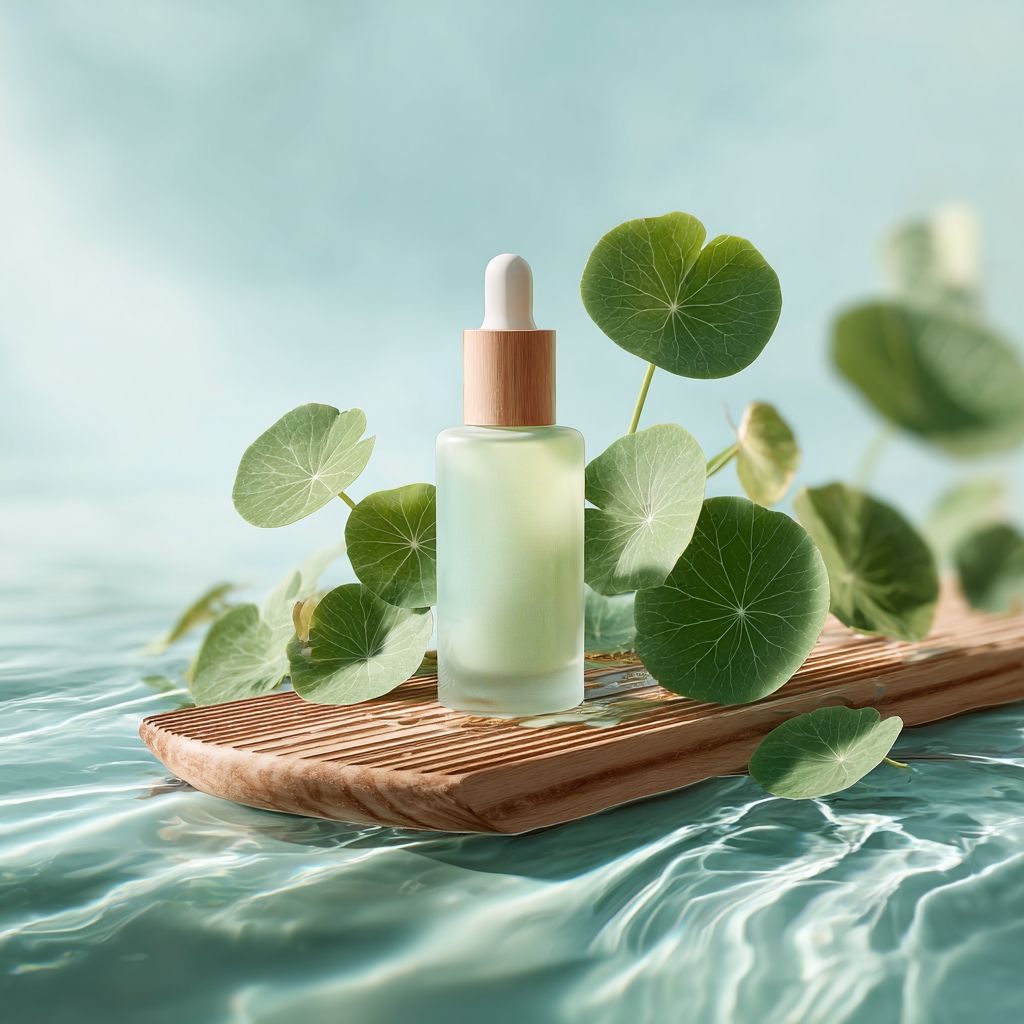
Is centella and cica the same? Quick Answer
“Cica” is not a single ingredient. It’s more of a label that brands use.
In Korean skincare, “cica” almost always points to Centella asiatica or parts of the plant such as madecassoside or asiaticoside. These are the compounds often linked to soothing and barrier-support effects.
In French pharmacy products, “cica” usually comes from the word cicatrization, which means skin repair.
Creams in this category may use centella, but many formulas rely instead on panthenol, zinc, copper, or other barrier-friendly ingredients.
Two creams can both be called “cica,” yet contain very different actives.
The safest way to know what you’re buying is to read the ingredient list.
If you want centella itself, look for “Centella asiatica extract” or its named compounds.
If you just need a thick repair balm, panthenol-based “cica” creams can do that job without centella inside.
What Exactly Is Centella Asiatica?
Centella asiatica is a small green herb you might also see called gotu kola or tiger grass.
It’s used in traditional medicine across Asia, and now it shows up in many skincare lines.
The leaves are round and delicate, but what makes the plant interesting for cosmetics is the compounds inside it.
The main active parts are four molecules: asiaticoside, asiatic acid, madecassoside, and madecassic acid.
These belong to a group called triterpenes.
Brands sometimes use the whole extract from the plant, and sometimes they focus on one of these molecules on its own.
Research around centella and its triterpenes often looks at wound care, barrier support, and how the skin reacts to stress.
Some studies suggest these compounds may help calm irritation or support repair processes.
That doesn’t mean every cream with centella works the same way.
The effect depends on how much of the extract is present, how it’s processed, and what else is in the formula.
In practice, centella can feel soothing and lightweight in gels or serums, and comforting in thicker creams.
If you’re checking labels, the plant itself will usually appear as “Centella asiatica extract,” and its triterpenes will be listed under their individual names.
What Does “Cica” Mean on a Label?
The term “cica” shows up on many labels, but it doesn’t point to a single ingredient.
In K-beauty and Western imports influenced by it, “cica” usually refers to Centella asiatica or its fractions, like madecassoside.
Brands like Dr. Jart+ made it familiar to Western audiences with lines like Cicapair, and now the word appears on creams, serums, and balms across price ranges.
In French pharmacy, “cica” comes from cicatrization, meaning skin repair.
Creams in this category often focus on soothing or helping the skin recover.
Centella may appear, but formulas frequently rely on panthenol, zinc, or other repair-focused ingredients instead.
The green-tinted or balm-like creams you see at pharmacies can differ a lot from the light gels and serums labeled “cica” in Korean lines.
This naming difference can confuse anyone trying to compare products.
A jar labeled “cica” doesn’t guarantee centella is inside, and a cream with centella might not say “cica.”
The practical step is simple: check the ingredient list.
Look for “Centella asiatica extract” or named triterpenes if you want the plant itself.
If the list shows panthenol, zinc, or mineral complexes instead, the product still supports repair but in a different way.
Madecassoside, Asiaticoside & Friends
Centella’s active compounds include madecassoside and asiaticoside, which are types of triterpenes.
These molecules are part of what gives centella its reputation for soothing and supporting the skin.
Brands sometimes isolate these compounds instead of using the whole plant extract.
Using a single molecule allows more control over the dose, and the ingredient tends to be more stable in a formula than a full plant extract.
You can spot these molecules on an ingredient list by their names.
Look for madecassoside, asiaticoside, asiatic acid, or madecassic acid.
They often appear in serums or creams marketed as “cica,” sometimes alongside centella extract.
Their role is similar to the plant itself: calming, supporting the skin barrier, and giving the formula a focused active component.
Using the isolated triterpenes doesn’t replace the whole plant, but it allows the product to highlight the specific molecules linked to centella’s traditional benefits.
If you want centella in a broader form, check for “Centella asiatica extract” higher on the list.
If a product lists the triterpenes alone, it usually aims to deliver concentrated active effects with consistent performance.
French “Cica” Creams: What’s Inside?
French pharmacy brands use the word “cica” in a slightly different way.
It usually signals repair and soothing rather than pointing only to centella.
A well-known example is La Roche-Posay Cicaplast.
Many versions of this balm focus on panthenol (B5) and madecassoside, sometimes adding a mineral complex with zinc, copper, and manganese.
Newer formulations may include centella leaf extract, but it’s not in every product.
Other French “cica” lines, like Bioderma Cicabio, Avène Cicalfate, and Uriage Bariederm, follow the same theme but use different soothing systems.
Some rely on panthenol and mineral support, others use copper or zinc-rich complexes.
The textures vary too, from light creams to thicker balms.
If your goal is to get centella specifically, don’t rely on the “cica” label alone.
Always check the ingredient list.
Again, look for Centella asiatica extract or named triterpenes like madecassoside.
Products may deliver soothing benefits without centella, but the plant itself appears only when it’s clearly listed.
K-Beauty “Cica” Serums & Ampoules
K-beauty “cica” products usually feature Centella asiatica extract at a high percentage.
Some marketing highlights 90% or more of the formula as centella.
Brands also list the four main triterpenes — madecassoside, asiaticoside, asiatic acid, and madecassic acid — to show which active compounds are inside.
A typical centella ampoule has a short, simple ingredient list.
It often starts with water, glycerin, and centella extract, followed by mild humectants and preservatives.
The texture is usually light and watery, which makes it easy to layer under heavier creams or oils.
Some formulas feel gel-like, offering a bit more hydration while still sinking quickly into the skin.
Using these serums in a routine is easy.
You can apply a few drops after cleansing and before your moisturizer.
The high concentration of centella helps the skin feel calm and supported.
Ingredient List Decoder
Reading a label will help you understand what you’re actually getting in a “cica” product.
If you want full-spectrum centella, look for terms like “Centella Asiatica Extract” or “Centella Asiatica Leaf Extract”.
Sometimes the root extract appears, too, but the leaf is more common.
For products that focus on isolated actives, check for madecassoside, asiaticoside, asiatic acid, or madecassic acid.
These are the compounds extracted from the plant, highlighted for their specific roles in calming and supporting the skin barrier.
Once again, some creams use the “cica” label without including centella.
These formulas often list panthenol, zinc gluconate, copper, manganese, or barrier lipids like shea butter or ceramides.
They still soothe and protect the skin, but the plant itself isn’t a main ingredient.
A quick tip for reading INCI lists: ingredients at the top usually make up a higher proportion of the product.
Mid- or lower-list ingredients appear in smaller amounts.
This isn’t exact, but it gives a sense of what the product prioritizes.
Benefits You Might Notice
Using a centella or cica product can feel comforting on the skin.
Many people notice less redness, a softer, more flexible feel, and that their skin tolerates other products better.
These effects are often subtle but can make daily routines easier on sensitive or reactive skin.
The active compounds in centella — madecassoside, asiaticoside, asiatic acid, and madecassic acid — have been studied in wound-care settings, for antioxidant activity, and for supporting the skin barrier.
Some human studies show small improvements in skin comfort and redness with cosmetic formulas, but results can vary.
The concentration of the extract, the other ingredients in the product, and your skin type all affect what you notice.
Patch testing is a good idea if you have sensitive skin or want to introduce a new formula.
Apply a small amount on a forearm or behind the ear for a day or two.
This will help you see if your skin reacts before adding it to your face.
Overall, centella and cica creams tend to give a calming, protective feel rather than dramatic overnight changes.
They can make your routine smoother and help your skin feel supported while you continue your regular skincare steps.
Who May Like Centella/Cica Products
Centella and cica creams can fit a range of skin needs.
If your skin is sensitive or reactive, a gentle moisturizer with centella extract or panthenol can help calm irritation and keep the barrier comfortable.
For acne-prone skin, light centella serums or gels layer easily under treatments. They give soothing support without feeling heavy or greasy.
People recovering from procedures or barrier damage may benefit from dermatologist-approved “cica” products. These formulas focus on calming the skin and supporting repair. Always follow your provider’s guidance in these situations.
Even though centella and cica products are generally mild, plants can still trigger reactions.
Check the ingredient list for fragrances, essential oils, or other botanicals if your skin tends to react.
Patch testing a small area first can help avoid surprises.
In short, centella and cica formulas can provide a gentle, supportive layer in your routine, especially if you want to calm redness, strengthen the barrier, or add soothing hydration.
They suit many skin types, but careful label reading and testing keep the experience safe and pleasant.
How to Pair Centella and Cica with Other Actives
Centella and cica products are easy to layer with many other skincare ingredients.
They mix well with niacinamide, ceramides, and humectants, adding a calming boost to hydration and barrier support.
A few drops of a centella serum under a cream or balm can smooth the skin before applying heavier products.
You can also use cica creams under retinoids or exfoliants.
They act as a buffer step to reduce potential irritation.
The soothing effect doesn’t block the other active components. It just makes the routine gentler.
Some cica creams have a green tint or color-correcting element.
This helps neutralize the appearance of redness.
It’s cosmetic, not a treatment, but it can make skin look more even temporarily while your centella formula works on barrier support.
Centella and cica layers actually fit naturally in most routines.
Use them after cleansing and lightweight serums, but before heavier oils or creams.
Is cica just a trend name for centella?
In K-beauty, “cica” often points to Centella asiatica extracts or its actives. In French pharmacy products, “cica” comes from the word for cicatrization, or wound healing. Those formulas may not include centella at all. Checking the ingredient list (INCI) is the only way to know what’s really inside.
Is tiger grass the same as centella?
Yes. “Tiger grass” is a nickname for Centella asiatica used in marketing. It doesn’t indicate a different plant or a special formula.
Do madecassoside serums replace centella extract?
Not exactly. Madecassoside is an isolated molecule from Centella. A full centella extract contains madecassoside plus other triterpenes and plant compounds. How your skin responds depends on the concentration and formulation. Both can be calming, but they are not identical.
Can cica help with redness?
Many cica creams and serums are formulated to calm the appearance of redness. Green-tinted formulas can neutralize color visually, giving a more even look. This is cosmetic, not a treatment for skin conditions.
Any side notes on safety?
Try a patch test before using a new cica or centella product, especially if you have sensitive skin. People who are pregnant or breastfeeding may want to check with a healthcare provider as a general precaution. Most products are mild, but plants can still cause reactions in some skin types.
So, to recap, centella is the plant behind many soothing skincare products. Cica is a broader label used in different ways depending on the region.
The key to choosing the right product is reading the ingredient list (INCI).
Pick formulas with centella near the top if you want light, soothing layers. Look for creams with panthenol, shea butter, or occlusives if you want heavier barrier support.