If you’ve ever had your nails done, you might have heard the term “fill at a nail salon.” It’s a common part of nail care, especially if you wear acrylic or gel nails. But what does it really mean?
A fill is a maintenance treatment for your nails. Instead of removing all the old product and starting fresh, your nail technician will clean up the grown-out areas near your cuticles and apply new product to fill in the gaps. This will help your nails look neat and keep them strong without the need for a full set.
Many people choose fills because they save time and money. They can extend the life of your manicure and keep your nails looking polished longer. It’s also gentler on your natural nails compared to removing everything and starting over.
In this article, we’ll explore what happens during a fill, how it differs from other nail services, and when it’s the right choice for you.
What Happens During a Fill at a Nail Salon?
A fill is a way to refresh your nails without starting from scratch.
A few weeks after your salon appointment, your nails will grow out a bit.
The area near your cuticles will show some natural nail, and the product on top may look uneven or chipped.
A fill focuses on that grown-out section.
Your nail technician adds new product there instead of removing everything.
It will keep your nails looking tidy and extend the life of your manicure.
The process starts with removing any old polish or worn color on top.
The technician files lightly to smooth rough edges or lifted spots.
They don’t take off the entire layer of acrylic or gel.
The goal is to keep the strong base while cleaning the nail so the new product sticks well.
Next, the technician applies product to the regrowth line.
They carefully blend it into the existing layers so the transition looks smooth.
After shaping, the product is cured under a lamp if it is gel and air-dries if it’s acrylic.
This step hardens the fill and keeps it secure.
The nails are shaped again if needed, filed and buffed, and a finishing polish or topcoat goes on to add shine and protect the surface.
A fill is a middle ground.
It refreshes your nails without removing all of the work that is already there.
It saves time and reduces wear on your natural nails.
You get a polished, neat look while keeping the nails you already have.
Fill vs. Rebalance vs. Full Set At A Nail Salon
Here’s the difference between a fill, a rebalance, and a full set.
Each one fixes nails in a different way, depending on how much your nails have grown or changed.
1. Fill
A fill is the simplest.
You usually get a fill every two to three weeks.
Again, the nail near your cuticle grows out, and the product there looks empty.
During a fill, the nail technician adds new product to the grown-out area.
To do this, they might shape the nail lightly, smooth the surface, and cure the new layer.
The rest of the nail stays intact.
It’s a quick fix that keeps your manicure looking fresh.
2. Rebalance
A rebalance comes later, usually after four weeks or more.
By this time, the nail shape can shift, and the apex (the highest point of the nail) may move forward.
A rebalance adds more product and sometimes adjusts the shape of the whole nail.
The technician may need to remove some old product to restore strength and evenness.
It takes more time than a fill but still preserves much of the existing work.
3. Full set
A full set is for nails that need the most attention.
You might choose a full set if the nails are lifting, damaged, or if you want a completely new look.
The technician removes all old product and starts fresh.
They rebuild the nail from the natural base, reshape it, and apply new layers of acrylic, gel, or other enhancements.
In short, a fill keeps nails maintained, a rebalance corrects structural changes, and a full set replaces everything.
Why Choose a Fill at a Nail Salon
A fill is a simple way to maintain your nails without starting over.
It takes less time than a full set because the technician only works on the areas that need it.
You don’t have to remove all the product, and your nails get a quick refresh.
For many people, this makes fills an easy option between full appointments.
Fills also protect your natural nails.
Each time you remove all the product, you file and buff the nail, which can weaken it over time.
A fill keeps most of the strong layers in place, so your nails stay healthy.
The technician only files where necessary, avoiding extra stress on your natural nails.
Fills make sense for regular upkeep. If your nails grow out two to three weeks after your last appointment, a fill restores the look.
You can maintain the style and shape you like without going through a full rebuild.
What Types of Nails Get Fills
Not every type of nail enhancement works well for a fill.

Builder gels and acrylic nails are the most common.
They are strong and long-lasting, so adding product to the grown-out area works well.
These nails keep their shape even after a few weeks, making them ideal for a simple touch-up.
Soft gels and shellac are different.
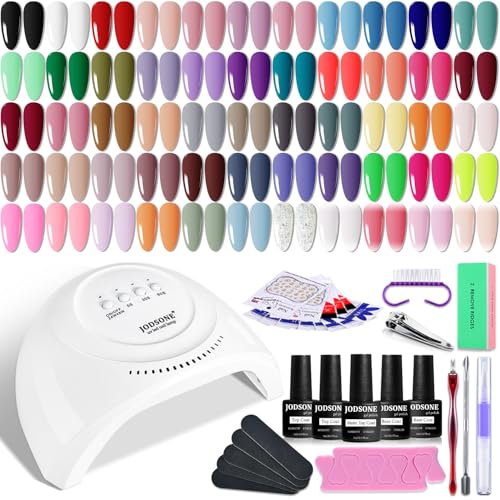
They are thinner and more flexible, and they don’t hold up as well for fills.
Usually, a technician removes them completely and starts fresh.
Trying to fill these types can lead to uneven surfaces or lifting because the material doesn’t layer as easily.

Dip powder nails can also get fills.
The technician adds powder and bonding liquid to the regrowth near the cuticle, then blends it into the existing layers.

Acrylics, as mentioned, are often refilled in the same way.
These types let you keep the original shape and strength without removing all of the product.
Not all salons offer fills for every nail type.
Some places specialize in certain materials, and some technicians may prefer a full removal for safety or quality reasons.
Your nail condition also matters. If the nail is lifting, weak, or damaged, a fill might not work well.
The technician may suggest a rebalance or a full set instead.
When to Skip a Fill and Start Fresh
A fill works best when your nails are healthy and the regrowth is small.
Sometimes, a fresh start is safer and smarter.
If your nails are damaged or lifting in many places, adding more product can make the problem worse.
A full removal and new set lets the technician build strong, even nails from the base.
Infections or irritation near the cuticle are another reason to skip a fill.
Covering those areas with more product can trap bacteria and slow healing.
A fresh set or waiting until your nails are healthy keeps your natural nails safe.
The shape of your nail also matters.
Over time, the apex can shift. If the shape is off, a fill might not fix it.
A rebalance can restore the structure, or a full set can start over with the right shape.
The time between appointments can make a difference.
If you have skipped refills for six weeks or more, the nails may have grown out too far for a simple fill.
The technician might suggest a new set to make the nails even and secure.
Listening to your nails is more important than sticking to a strict schedule.
Some nails grow fast, some slow. Some hold up well, some chip easily.
So, pay attention to how your nails look and feel before you decide on the type of nail correction you need.
Common Myths About Nail Fills
There are common misconceptions about nail fills and nail overlays.
One myth says nails need to “breathe.”
People think leaving product on the nail blocks air and causes harm.
However, nails don’t breathe the way lungs do.
Keeping gel, acrylic, or dip powder on your nails does not hurt them.
Fills simply cover the regrowth and keep the nails strong.
Another myth says fills damage natural nails.
In reality, fills often protect the nails.
As I’ve mentioned before, a full removal requires more filing, which can thin the nail.
But a fill keeps most of the existing layers intact.
It uses less pressure and removes only what needs attention.
Some people worry fills look patchy.
If the technician blends the new product carefully, the nails appear smooth and even.
The regrowth line becomes invisible, and the nail looks polished.
You don’t see a clear mark where old meets new.
So a fill at a nail salon is a way to refresh your nails without removing all the work you already have. It focuses on the grown-out areas near your cuticles and adds new product to keep your nails even and polished. Fills save time, protect your natural nails, and extend the life of your manicure.
Talk with your nail technician about your needs. Point out regrowth, lifting, or shape changes. The nail tech will guide you toward the best choice.